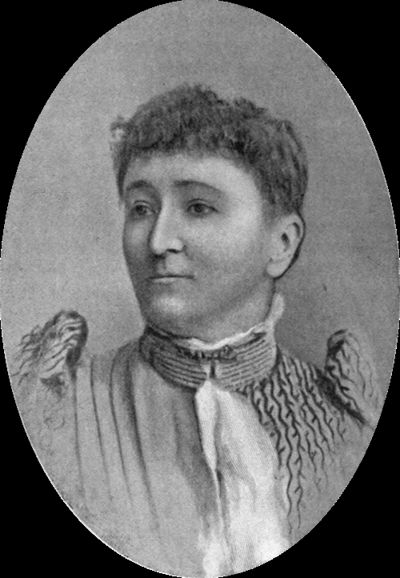
The exact words
““Beauty is in the eye of the beholder,” quotes Marcia, in a low tone, and with a motion of her hand toward the open door inside which sits Molly.”Margaret Wolfe Hungerford (“The Duchess”), Molly Bawn (1878)
✓ VerifiedFound in a primary source: the original book, speech transcript, letter or recording.
What people get wrong
Common reading
A line from Shakespeare or Plato.
A line from Shakespeare or Plato.
Closer to the original
Neither wrote it. The exact wording first appears in print in a popular Victorian novel, Molly Bawn, and even there the character is quoting it. The idea is older, but the phrase as we know it is from the 1800s.
Neither wrote it. The exact wording first appears in print in a popular Victorian novel, Molly Bawn, and even there the character is quoting it. The idea is older, but the phrase as we know it is from the 1800s.
Timeline
- c. 1595Shakespeare writes in Love's Labour's Lost that “beauty is bought by judgement of the eye.” It is close in spirit, and is sometimes wrongly given as the source.
- 1878The Irish novelist Margaret Wolfe Hungerford, who wrote as “The Duchess,” publishes Molly Bawn. A character says the exact modern words, and the text says she “quotes” them, which suggests they were already a saying.
Use it in a speech
They say beauty is in the eye of the beholder. Lucky me, because I get to behold you every day.
~6 secondsto say aloud
Pausenone needed in a card
Best spotthe whole card
The saying that “beauty is in the eye of the beholder” is usually credited to Shakespeare, but its exact wording first appears in an 1878 novel, where a character is already quoting it.
~10 secondsto say aloud
Pausenone needed in writing
Best spotopening hook
Questions people ask
Who first said “beauty is in the eye of the beholder”?
The earliest known printing of the exact words is in Margaret Wolfe Hungerford's novel Molly Bawn (1878), where a character quotes it. The idea is older.
Did Shakespeare say “beauty is in the eye of the beholder”?
No. His closest line is “beauty is bought by judgement of the eye” in Love's Labour's Lost.
Cite this quote
This is a traditional proverb, so it counts as common knowledge and most style guides don't ask you to cite it. If you want to say where it comes from, give the earliest known use: Molly Bawn (novel), where a character quotes it as a saying (1878).