The exact words
The passage
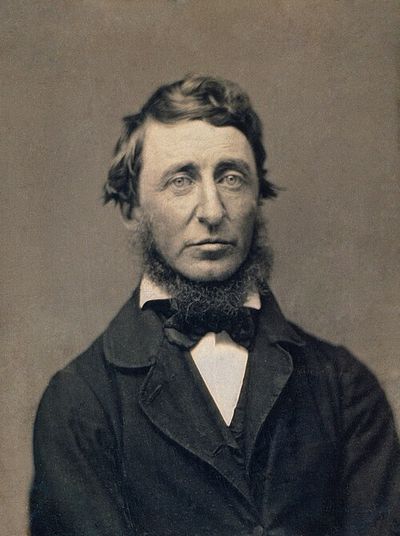
On July 4, 1845, Henry David Thoreau moved into a small cabin he had built beside Walden Pond, near Concord, Massachusetts. He lived there for two years, growing beans, reading, writing and watching the seasons, and spent the next seven years turning the experience into a book. Walden appeared in 1854.
The long first chapter, called “Economy,” explains why he went. Thoreau looks at his neighbors, the farmers who inherited land and spend their lives paying for it, the workers who labor so hard they have no time to be anything but machines, and concludes: “The mass of men lead lives of quiet desperation. What is called resignation is confirmed desperation.” People move from “the desperate city” to “the desperate country” and back, he says, and despair is hidden even in their games and amusements.
What Thoreau meant
The key word is “quiet.” Thoreau is not describing people in obvious crisis. He means people who keep going, do their jobs, buy their houses and say nothing, while sensing that something is missing. In his view they have mistaken the means of life for its purpose, working to buy things that then own them.
His answer is not that everyone should move into a cabin. It is that each person should ask what they truly need and how much of their life they are spending to get the rest. The chapter is full of calculations of what his cabin cost, $28.12½, to show how little a person can live on. He ends the passage with a hopeful note: “it is a characteristic of wisdom not to do desperate things.”
How to use it
The line is a strong challenge in a graduation speech or any talk about choosing your own path. It can sound harsh on its own, so pair it with the hope behind it. In an essay, quote the sentence after it too; “What is called resignation is confirmed desperation” is Thoreau at his sharpest.
What people get wrong
Thoreau says all people are miserable.
He means people who trade their lives for possessions and routine without asking why. His point is that it doesn't have to be that way.
Timeline
- July 4, 1845Thoreau moves into a small cabin he built himself beside Walden Pond, on land owned by Ralph Waldo Emerson.
- September 1847He leaves the cabin after two years, two months and two days.
- 1854Walden is published after years of revision. The line appears in the first chapter, “Economy.”
- 1989The film Dead Poets Society brings the line and Walden to a new generation.
Use it in a speech
Questions people ask
What does “lives of quiet desperation” mean?
Lives of hidden unhappiness: people who are trapped by work, debt and routine but carry on without complaining or changing anything.
Where does the quote come from?
From the first chapter, “Economy,” of Henry David Thoreau's Walden, published in 1854.
Did Thoreau live alone in the woods?
For two years he lived in a cabin by Walden Pond, about a mile and a half from the town of Concord. He walked into town often and had many visitors.
Cite this quote
These cite the original source directly, so you can use them in an essay or paper. Always check your teacher's required style.