The exact words
The trial
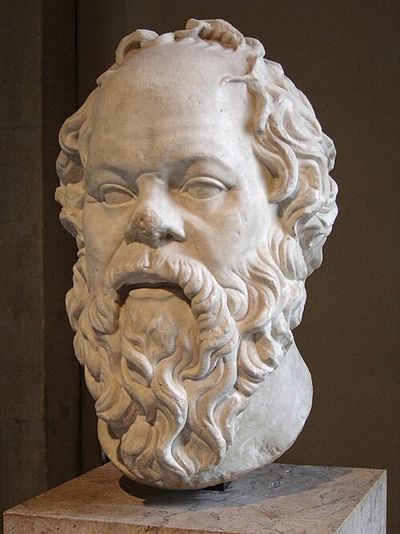
In 399 BC, Socrates, then about seventy, was put on trial in Athens. He was charged with not believing in the city’s gods and with corrupting the young. Behind the charges lay years of resentment: Socrates had spent his life stopping people in the marketplace and questioning them about justice, courage and virtue until they admitted they did not really know what they were talking about. Some of the powerful men he embarrassed had not forgiven him.
Plato, his student, was in the courtroom and later wrote his own version of the defense speech, the Apology. (“Apology” here means a defense, not an apology.) After the jury found Socrates guilty, it was customary for the defendant to propose his own penalty, and the jury expected him to suggest exile or a promise to keep quiet. He refused. Doing what the jury wanted would mean disobeying the god who had set him on his mission, and in any case, he said, to discuss virtue every day “is the greatest good of man, and the unexamined life is not worth living.”
What it means
For Socrates, examining your life means questioning your beliefs, especially about how to live, and being willing to find out that you were wrong. He thought most people drift along on borrowed opinions, and that a life lived that way falls short of what makes us human. He would rather die than stop asking questions, and he did: he was sentenced to death and drank hemlock some weeks later.
How to use it
The line works at graduations and in speeches about learning and self-reflection, and its context gives it power: it was said by a man choosing integrity over his own life. In writing, note that the words come to us through Plato, since Socrates wrote nothing himself.
What people get wrong
A gentle suggestion to reflect on your life now and then.
Socrates said it while the jury was deciding whether he should die. He was explaining why he would rather be executed than stop questioning.
Timeline
- c. 470 BCSocrates is born in Athens.
- 399 BCSocrates is tried for impiety and corrupting the youth. Found guilty, he tells the jury he cannot give up philosophy, because “the unexamined life is not worth living.”
- 399 BCHe is executed by drinking hemlock, as Plato later describes in the Phaedo.
- c. 390s–380s BCPlato writes the Apology, his version of Socrates' defense speech.
Use it in a speech
Questions people ask
Who said “The unexamined life is not worth living”?
Socrates, at his trial in Athens in 399 BC, as recorded by his student Plato in the Apology, section 38a.
What does it mean?
That a human life without reflection, without asking what is good, just and true and testing your own beliefs, is not a life worth living.
Did Socrates write it down?
No. Socrates wrote nothing. The words come from Plato's account of his defense speech, so they are Plato's version of what Socrates said.
Cite this quote
These cite the original source directly, so you can use them in an essay or paper. Always check your teacher's required style.