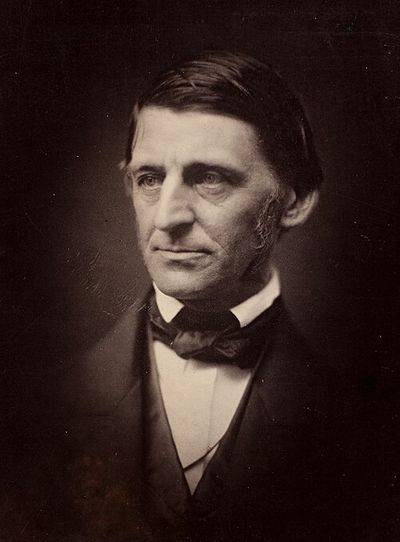
The exact words
“One of the illusions is that the present hour is not the critical, decisive hour. Write it on your heart that every day is the best day in the year.”Ralph Waldo Emerson, “Works and Days,” Society and Solitude (1870)
✓ VerifiedFound in a primary source: the original book, speech transcript, letter or recording.
What people get wrong
Common reading
A cheerful reminder that every day is wonderful.
A cheerful reminder that every day is wonderful.
Closer to the original
Emerson is making a sharper point. He calls it an illusion that the present hour is not the decisive one, and says no one has learned anything rightly until they know every day is Doomsday, a day that counts.
Emerson is making a sharper point. He calls it an illusion that the present hour is not the decisive one, and says no one has learned anything rightly until they know every day is Doomsday, a day that counts.
Timeline
- 1850s–1860sEmerson gives lectures on time and work, which he later shapes into the essay “Works and Days.”
- 1870The essay is published in Society and Solitude. It argues that people waste their lives waiting for a better day instead of seeing the value of the one they have.
Use it in a speech
Emerson said, write it on your heart that every day is the best day in the year. So my resolution isn't to wait for a better year. It's to make better use of the days.
~10 secondsto say aloud
Pauseafter “best day in the year”
Best spotwhen sharing resolutions
Ralph Waldo Emerson said every day is the best day in the year. Today, for you, it's literally true. Happy birthday.
~7 secondsto say aloud
Pauseafter “best day in the year”
Best spotthe card or the toast
Emerson warned that the great illusion is thinking the important day is some other day. Write it on your heart: every day is the best day in the year, including this one.
~10 secondsto say aloud
Pauseafter “write it on your heart”
Best spotthe closing lines
Questions people ask
Who said “every day is the best day in the year”?
Ralph Waldo Emerson, in his essay “Works and Days,” published in Society and Solitude in 1870.
What comes next in the essay?
Emerson adds that “no man has learned anything rightly, until he knows that every day is Doomsday,” meaning a day that truly matters.
Cite this quote
These cite the original source directly, so you can use them in an essay or paper. Always check your teacher's required style.
MLAEmerson, Ralph Waldo. “Works and Days,” in Society and Solitude. 1870. Project Gutenberg, www.gutenberg.org/ebooks/69258.
APAEmerson, R. W. (1870). “Works and Days,” in Society and Solitude. Project Gutenberg. https://www.gutenberg.org/ebooks/69258
CHICAGORalph Waldo Emerson, “Works and Days,” in Society and Solitude, 1870.
IN TEXT (APA)(Emerson, 1870)