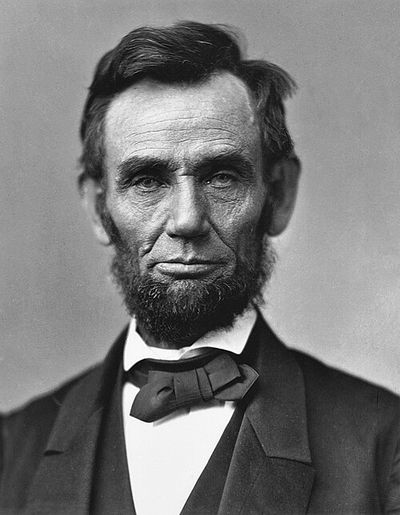
The exact words
What Lincoln meant in 1865
By March 1865 the Union was close to winning the Civil War, and many in the North wanted the South to pay for four years of slaughter. Lincoln’s second inaugural address surprised his audience. It contains no victory speech. Instead it argues that both sides had prayed to the same God, that slavery was the cause of the war, and that the suffering might be a judgment on the whole nation, North and South alike, for the sin of slavery.
The famous last paragraph turns from that reckoning to the future. “With malice toward none, with charity for all” means without a desire for revenge and with goodwill toward everyone, including the defeated. The rest of the sentence lists the work ahead: to “bind up the nation’s wounds,” to care for veterans and their widows and orphans, and to build “a just and lasting peace.” Charity here carries its older sense of love and generosity, not just giving to the poor.
Why it became so famous
Lincoln was assassinated six weeks later, before he could put this policy into practice, and the speech came to be read as his last testament. Frederick Douglass, who met Lincoln at the White House reception after the inauguration, told him it was “a sacred effort.” The address was later carved onto the north wall of the Lincoln Memorial, facing the Gettysburg Address on the south wall.
How people use it today
The phrase is often used at funerals, retirements and moments of reconciliation, and it works beautifully there because that is close to what Lincoln meant: ending a long struggle without bitterness. It is worth keeping the second half in mind, though. Lincoln paired generosity with “firmness in the right.” He was not saying the war had no winner or that slavery had been a matter of opinion; he was saying the winners should rebuild rather than punish.
What people get wrong
A gentle, general saying about being nice to everyone.
A political program for the end of a civil war, asking the victors to rebuild the country and care for its veterans and widows instead of punishing the defeated.
Timeline
- March 4, 1865Lincoln delivers his second inaugural address, about 700 words long, outside the newly completed Capitol dome.
- April 9, 1865Robert E. Lee surrenders the Army of Northern Virginia at Appomattox Court House.
- April 14, 1865Lincoln is shot at Ford's Theatre and dies the next morning.
- 1922The Lincoln Memorial opens with the full text of the second inaugural carved on its north wall.
Use it in a speech
Questions people ask
When did Lincoln say “with malice toward none”?
On March 4, 1865, in his second inaugural address, about six weeks before his assassination.
What does “malice toward none” mean?
Holding no wish to harm or take revenge on anyone. Lincoln was speaking about how the North should treat the South once the war was won.
Where can I see the speech?
The full text is carved on the north wall of the Lincoln Memorial in Washington, D.C., opposite the Gettysburg Address.
Cite this quote
These cite the original source directly, so you can use them in an essay or paper. Always check your teacher's required style.