Books & opening lines quotes, explained
The famous first lines and best-known passages of classic novels, and what they say about the books they open. Each one is checked against its original source, so you know who really said it before you use it.
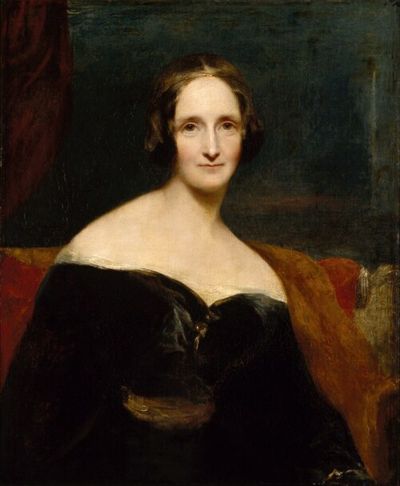
A threat, not a pep talk. The creature says it to his maker at the moment Victor Frankenstein destroys the half-built female companion he had promised him. It is the point at which a lonely, pleading creature turns into an avenger, and it is the line that people most often lift out of the book and put on posters.
Read the full explanation →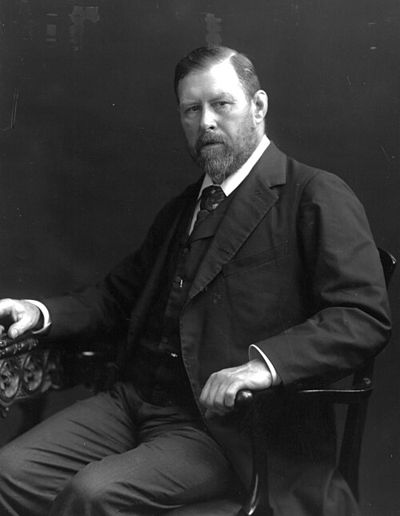
The Count's remark about the wolves that howl in the valley below his castle. It is spoken in the first long scene between Jonathan Harker and Dracula, and it is the moment the host first shows that he is not a man like his guest: the howling is music to him.
Read the full explanation →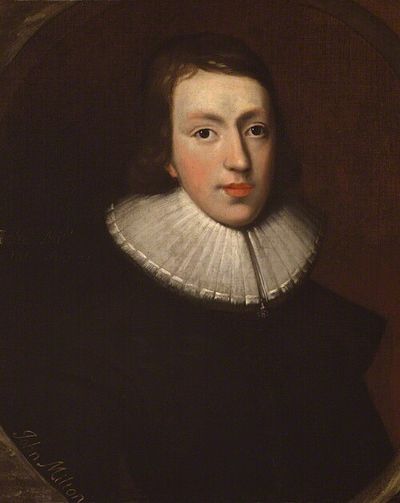
Satan's defiant boast just after his fall, as he stands on the burning plain of Hell. He would rather rule among the defeated than bow to God. Milton lets the line sound grand and shows, through everything that follows, how hollow it is.
Read the full explanation →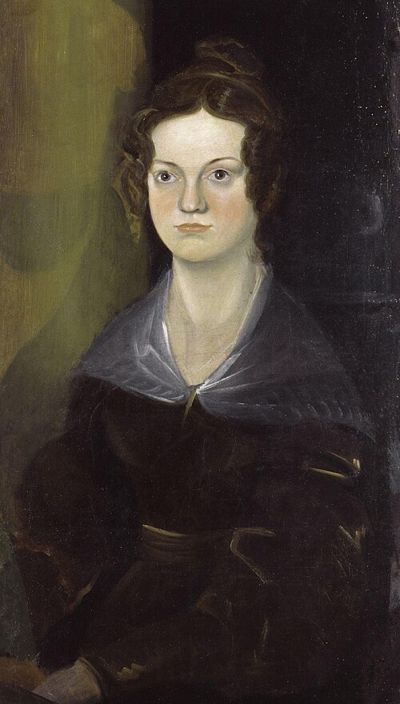
The first sentence of the last chapter of Jane Eyre. After a whole novel of hesitation, refusals and a flight across the moors, Jane tells the reader the news in four plain words, and she tells it as her own decision.
Read the full explanation →
The three-word first sentence of Moby-Dick. A sailor introduces himself with a name he asks you to use, then explains the restlessness that sends him to sea.
Read the full explanation →
The opening sentence of Tolstoy's novel. It says happiness in a family comes from the same few things going right, while every unhappy household fails in a way all its own. The next sentence shows an example: the Oblonskys, in chaos after an affair.
Read the full explanation →
The Cheshire Cat tells Alice that everyone in Wonderland is mad, including him and, by his logic, her too, because no sane person would have come there.
Read the full explanation →
The opening of the poem that shaped the modern American Santa Claus: a jolly, round St. Nicholas who arrives on Christmas Eve in a sleigh pulled by eight reindeer and comes down the chimney.
Read the full explanation →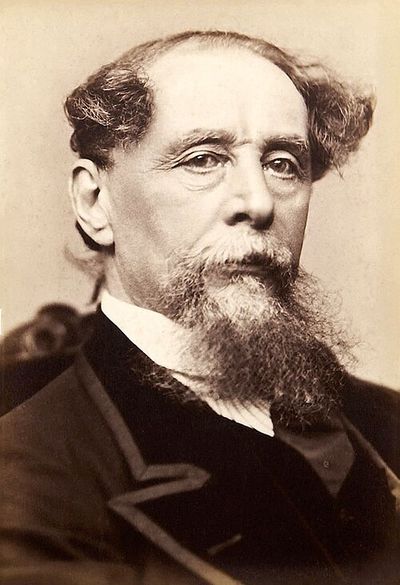
If you spend even a little less than you earn, you are fine. If you spend even a little more, you are in trouble. The size of the gap matters less than which side of the line you are on.
Read the full explanation →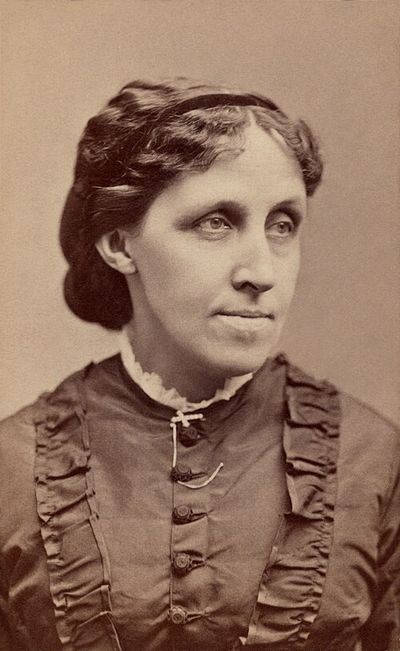
Jo March grumbles that Christmas is ruined because the family is too poor for gifts. The rest of the chapter shows the sisters discovering that giving to others makes the day.
Read the full explanation →Tiny Tim, a sick little boy from a poor family, asks God's blessing on everyone at the Christmas table. Dickens ends the whole book with it, turning a child's grace into a blessing on the reader.
Read the full explanation →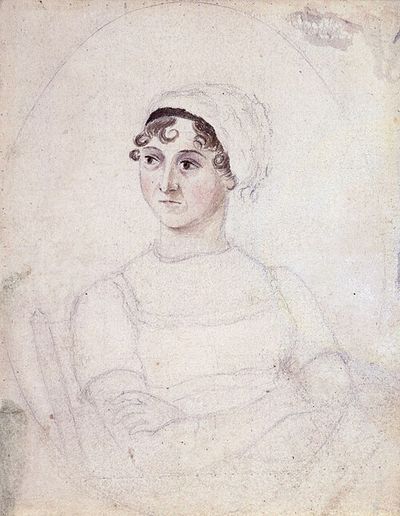
Austen's narrator states a “universal truth” that is really a joke: it is the families of single women who want a rich bachelor, not the bachelor who wants a wife.
Read the full explanation →Dickens describes the years before the French Revolution as a time of extremes, then adds the sting: it was much like his own day, when people also insisted everything was either the best or the worst.
Read the full explanation →Talking with her mother after Beth's death, Jo says no one loves you like a mother, while admitting she is starting to long for other kinds of love too.
Read the full explanation →No quotes match these filters yet. New quotes are added every week.