Death & remembrance quotes, explained
Famous lines about dying, being remembered and facing the end, with the real sources behind them. Each one is checked against its original source, so you know who really said it before you use it.
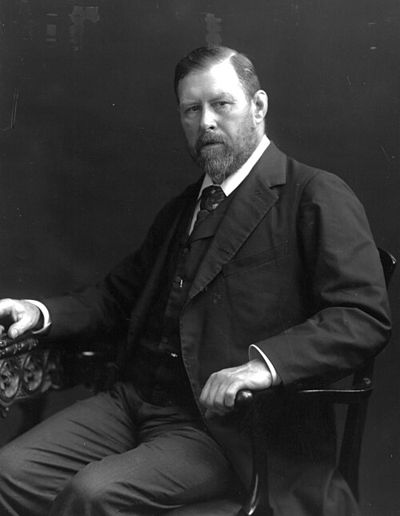
The Count's remark about the wolves that howl in the valley below his castle. It is spoken in the first long scene between Jonathan Harker and Dracula, and it is the moment the host first shows that he is not a man like his guest: the howling is music to him.
Read the full explanation →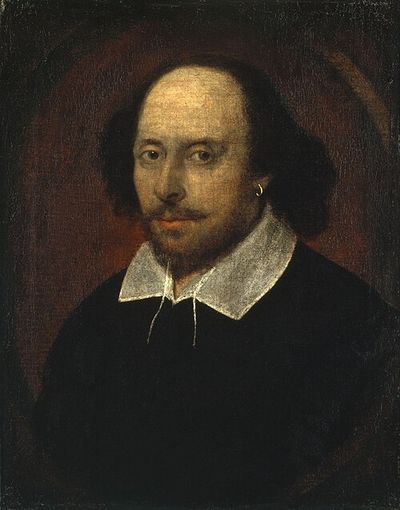
Caesar tells his wife that cowards suffer death over and over in their fears, while the brave face it only once. He says it on the morning he is murdered.
Read the full explanation →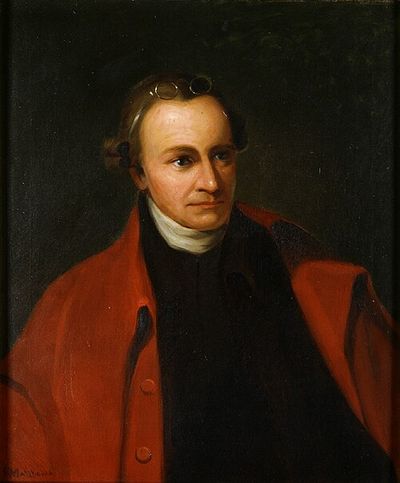 ≈ Paraphrase
Henry's call for Virginia to arm itself against Britain, weeks before the fighting began at Lexington and Concord. The famous words were written down only 42 years later, from listeners' memories.
Read the full explanation →The greatest love a person can show is to give up their life for others. Jesus says it at the Last Supper, the night before his death.
Read the full explanation →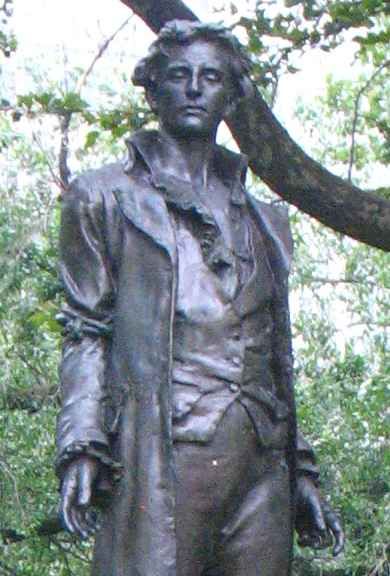 ≈ Paraphrase
The last words reported of a 21-year-old American spy hanged by the British. They were written down years later, and they echo a line from a popular play of the time.
Read the full explanation →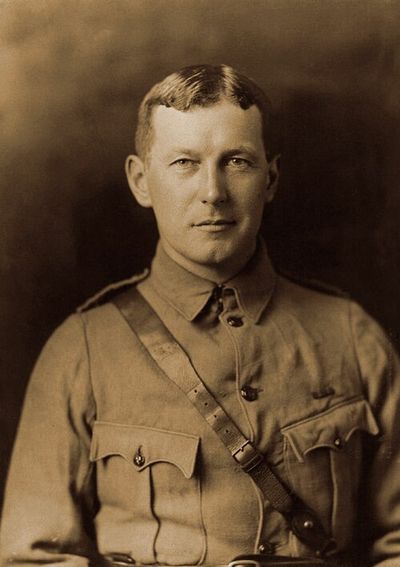
The dead of the First World War speak from their graves among the poppies, asking the living to carry on their cause and not break faith with them.
Read the full explanation →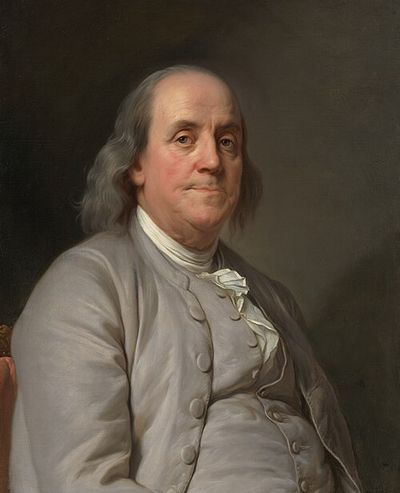
A wry aside in a letter about the new U.S. Constitution. Franklin made it famous, but the joke was already in print more than seventy years earlier.
Read the full explanation →Latin for “remember that you must die.” It is a reminder that life is short, meant to make you humble and to push you to spend your days on what matters.
Read the full explanation →
Donne, seriously ill and hearing a funeral bell, reflects that every person is part of humanity, so every death diminishes us all. The same passage ends with “for whom the bell tolls.”
Read the full explanation →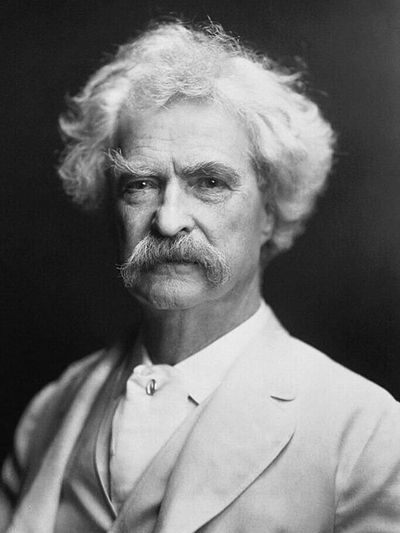 ≈ Paraphrase
Twain's joke when a newspaper wrongly reported he was dying. His real words were drier: “The report of my death was an exaggeration.”
Read the full explanation →Hamlet asks whether it is better to live and endure life's suffering or to die and end it, and concludes that fear of what comes after death keeps people going.
Read the full explanation →No quotes match these filters yet. New quotes are added every week.