Life & living quotes, explained
What writers and thinkers said about how to spend a life, from Thoreau in the woods to Jobs on stage. Each one is checked against its original source, so you know who really said it before you use it.
A line from a 1997 newspaper column written as an imaginary commencement speech. The column became the hit song “Everybody's Free (To Wear Sunscreen)” and its lines were credited to famous people.
See who really said it →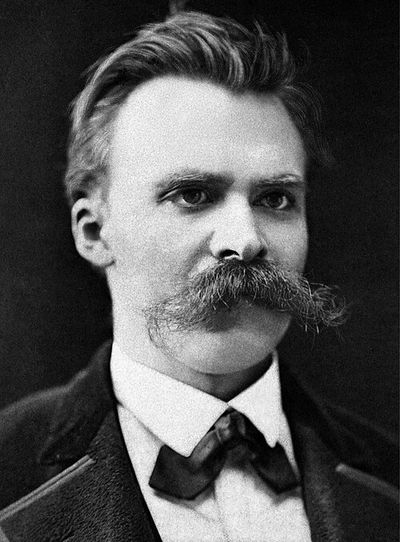
Latin for “love of fate.” Nietzsche used it for the attitude of wanting your life exactly as it is, hard parts included, instead of merely putting up with it.
Read the full explanation →
Latin for “seize the day,” or more literally “pluck the day” like ripe fruit. Horace tells a friend to enjoy today instead of worrying about a future no one can know.
Read the full explanation →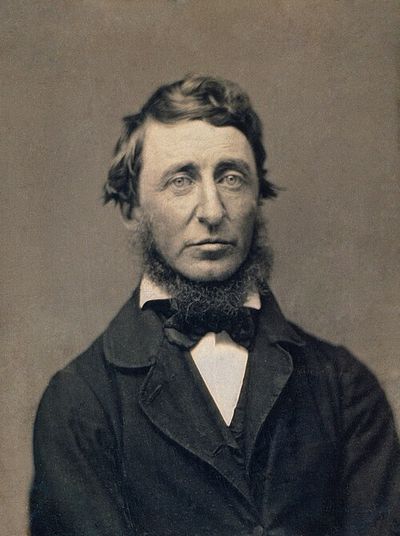
Thoreau explains why he moved to Walden Pond: to strip life down to its essentials and find out what it really has to teach, so that he would not reach death and discover he had not lived.
Read the full explanation →A prayer to understand how short life is, so that we spend our days wisely.
Read the full explanation →Thoreau argues that most people work themselves to exhaustion for things they don't need, and hide their despair behind ordinary routines. Walden is his experiment in living otherwise.
Read the full explanation →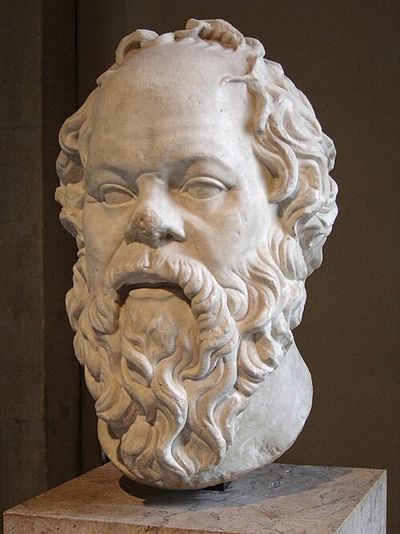
At his trial, Socrates refuses to stop questioning people about how to live, saying a life without such questioning is not worth living for a human being. He chose death over silence.
Read the full explanation →Life moves through opposite seasons, birth and death, weeping and laughing, and each has its proper time. The passage is both comforting and a reminder that we do not control the timing.
Read the full explanation →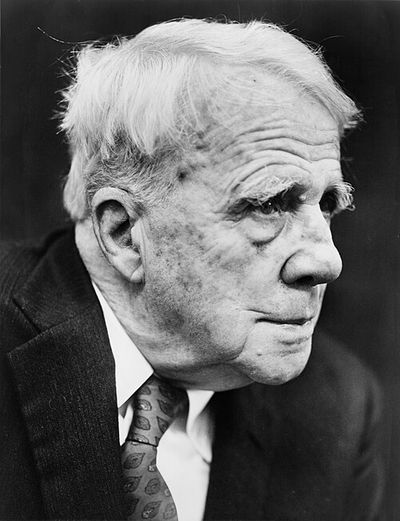
A traveler picks one of two paths that were “really about the same,” then imagines telling the story years later as if the choice made all the difference. It is a poem about how we tell stories about our choices.
Read the full explanation →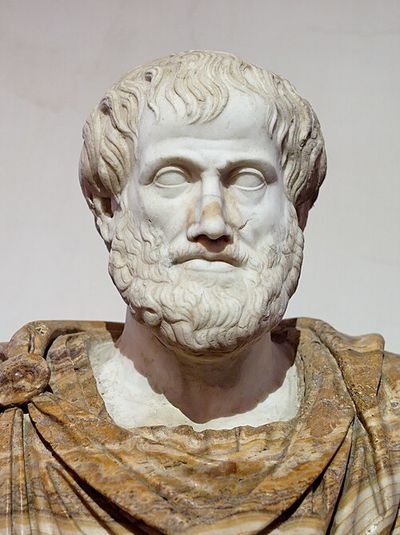 ✕ Misattributed
A modern summary of Aristotle's ethics by the American historian Will Durant. The idea is Aristotle's; the sentence is Durant's.
See who really said it →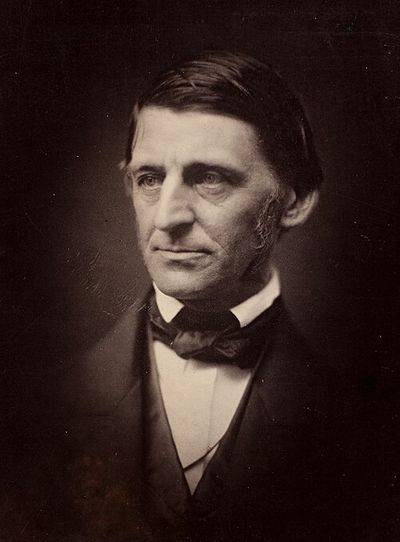
The present day is never ordinary. Emerson warns against the illusion that the important moment is always somewhere else, and says today is the critical, decisive day.
Read the full explanation →
Jobs urges graduates to follow their own judgment rather than other people's expectations, because life is short. He spoke from the experience of a recent cancer diagnosis.
Read the full explanation →No quotes match these filters yet. New quotes are added every week.